🔬 Quick Medical Summary
At ages 30-35, a healthy woman still has a 15-20% chance of conceiving per cycle. To optimize chances, track ovulation using OPKs or temperature, start taking Folic Acid (400mcg) and CoQ10 (200-600mg) 3 months beforehand, and maintain a nutrient-dense Mediterranean diet. When to seek help: Consult a specialist after 12 months of trying if you are under 35, or after just 6 months if you are 35 or older.
1. Understanding Fertility at 30–35: The Science
The narrative around female fertility often jumps straight to a "cliff" at age 35. While age is the single most important factor affecting reproductive success, the decline is gradual, not absolute. For women between 30 and 35, the body is highly capable of a healthy pregnancy, though it may take slightly longer than it did at 25.
The Twin Factors: Egg Quantity and Quality
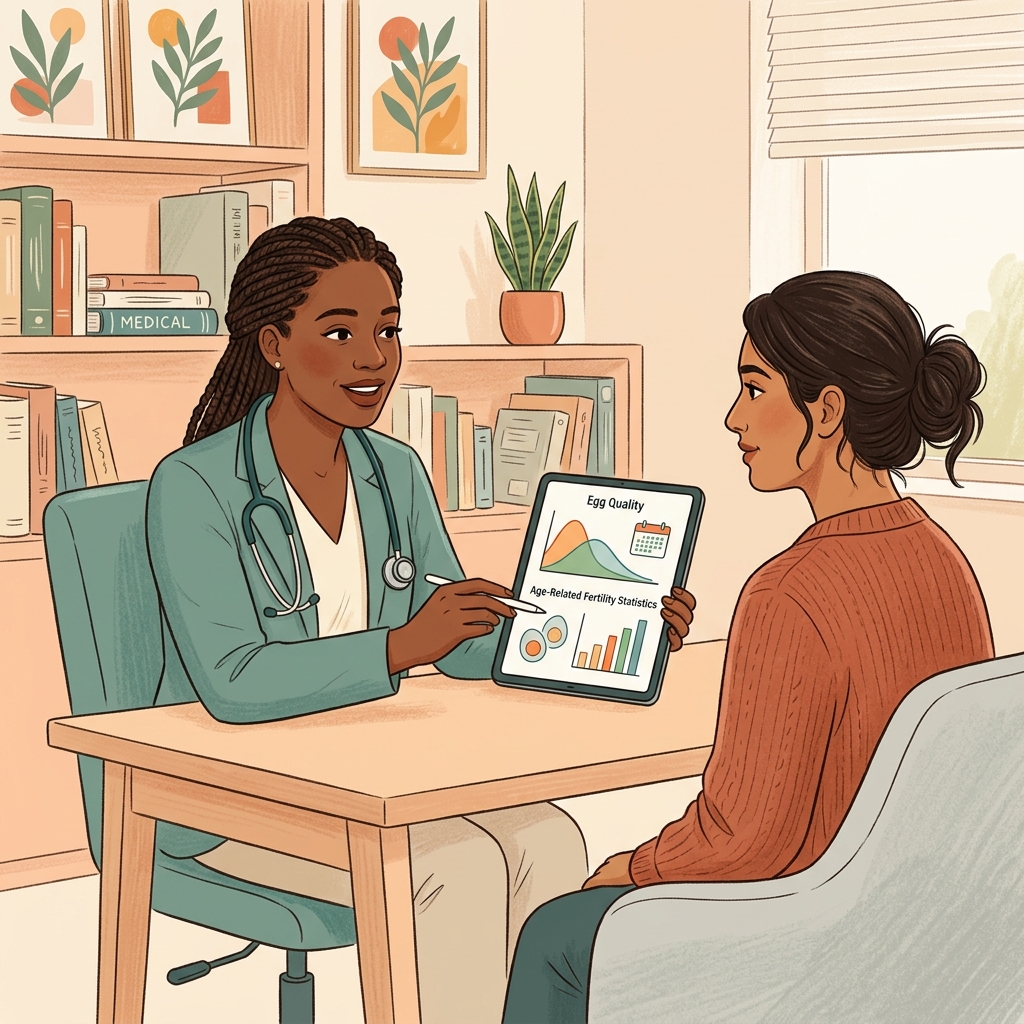
Women are born with a finite number of eggs (roughly 1 to 2 million). By puberty, this drops to 300,000. By age 30, a woman typically has about 10-15% of her original ovarian reserve remaining.
However, Egg Quality is arguably more critical than quantity. Quality refers to the genetic state of the egg. As eggs age within the ovaries, they become more prone to chromosomal errors. An egg with improper chromosomes (aneuploidy) will likely fail to fertilize, fail to implant, or result in a miscarriage. At age 30, about 60% of eggs are chromosomally normal; by age 35, that drops to about 40-50%.
| Age Group | Chance of Conception per Cycle* | Cumulative Success over 1 Year |
|---|---|---|
| Age 20 - 29 | ~25% | 85 - 90% |
| Age 30 - 33 | ~20% | 75 - 85% |
| Age 34 - 35 | ~15% | 65 - 75% |
| Age 38 - 39 | ~10% | < 50% |
*Assuming regular intercourse during the fertile window and no underlying reproductive disorders. Data aggregated from ASRM.
If you are curious about your remaining egg supply, doctors can test your AMH (Anti-Müllerian Hormone) and FSH levels. Remember, these tests measure *quantity*, not quality. A low AMH does not mean you cannot conceive naturally, but it might mean you have less time to delay.
2. Our 8 Expert-Backed Tips for Conception
Start Prenatal Vitamins Immediately
Do not wait until you are pregnant. Begin taking a prenatal vitamin containing at least 400mcg of Folic Acid 1 to 3 months before you start trying. This prevents neural tube defects which develop in the very first weeks of pregnancy.
Target Your "Fertile Window"
You can only get pregnant during about 6 days of your cycle: the 5 days leading up to ovulation and the day of ovulation. Intercourse every 1-2 days during this window is optimal.
Schedule a Preconception Screening
Visit your OB-GYN before trying. They will check your rubella immunity, thyroid levels, iron, and review any current medications that are unsafe during gestation.
Evaluate Your Body Mass Index (BMI)
Both being underweight (BMI < 18.5) and overweight (BMI > 25) can disrupt the hormones that regulate ovulation. Slight adjustments—even a 5% weight loss—can restore ovulation in women with PCOS.
Optimize Your Partner's Health
Sperm quality takes 3 months to improve. Your partner should reduce alcohol, quit smoking, manage stress, and consider a male fertility supplement containing Zinc and CoQ10.
Minimize Environmental Toxins
Endocrine-disrupting chemicals (EDCs) like BPA and phthalates found in plastics and certain cosmetics can impact fertility. Switch to glass containers and check your skincare products.
Prioritize Sleep & Stress Management
Chronic stress raises cortisol, which can suppress ovulation through functional hypothalamic amenorrhea. Yoga, mindfulness, and 7-9 hours of sleep are physiologically vital for hormonal balance.
Know the 6-Month vs. 12-Month Rule
If you are under 35, see a fertility doctor after 1 year of trying. If you are exactly 35 or older, seek help after 6 months to avoid wasting precious time.
3. Comparing Ovulation Tracking Methods
Assuming you ovulate on exactly "Day 14" is a common trap. Cycle lengths vary significantly between women, and even month-to-month. Proper ovulation tracking is essential.

| Method | How It Works | Pros | Cons |
|---|---|---|---|
| Ovulation Predictor Kits (OPKs) | Detects the LH (Luteinizing Hormone) surge in urine. | Highly accurate; gives 24-36 hour advance notice of ovulation. | Can be costly over time; unreliable for women with PCOS (false positives). |
| Basal Body Temp (BBT) | Taking temperature immediately upon waking; rests on a 0.5° spike post-ovulation. | Very cheap; confirms that ovulation *did* occur. | Does not predict ovulation in advance; easily skewed by poor sleep or alcohol. |
| Cervical Mucus Monitoring | Checking discharge. It becomes clear, slippery, and stretchy (like raw egg white) near ovulation. | Free, highly correlated with peak fertility. | Requires comfort with body tracking; can be confused by lubricants or arousal fluid. |
| Period Tracking Apps | Uses calendar algorithms based on past cycle lengths. | Convenient, good for overall cycle history. | Notoriously inaccurate for pinpointing exact ovulation day, especially for irregular cycles. |
4. The Fertility-Friendly Diet
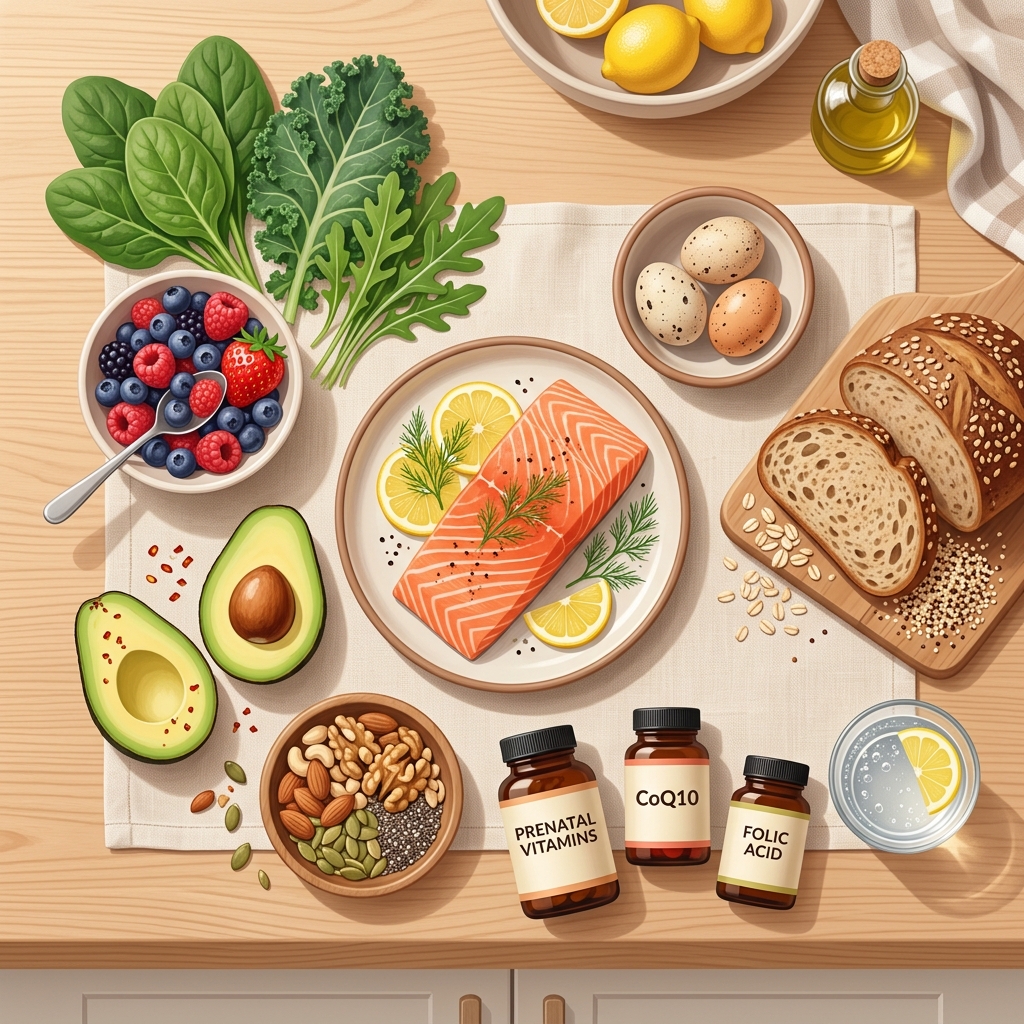
Multiple large-scale studies, including research from the Harvard T.H. Chan School of Public Health, link specific dietary patterns to better fertility outcomes. The general consensus strongly favors a Mediterranean-style diet to reduce systemic inflammation and stabilize insulin levels. Read our full fertility diet guide →
| Eat More Of | Why It Helps | Examples |
|---|---|---|
| Plant-Based Proteins | Reduces ovulatory infertility risk compared to high animal protein diets. | Lentils, beans, chickpeas, tofu, quinoa. |
| Full-Fat Dairy (In Moderation) | Surprisingly, 1-2 servings of full-fat dairy are linked to better ovulatory function than low-fat dairy. | Whole Greek yogurt, whole milk. |
| Complex Carbohydrates | Prevents insulin spikes. High insulin disrupts hormones and impairs ovulation. | Brown rice, oats, sweet potatoes, whole wheat. |
| Monounsaturated Fats | Reduces inflammation and promotes healthy egg development. | Avocado, olive oil, walnuts, almonds. |
| Omega-3s | Crucial for regulating hormones and improving reproductive blood flow. | Wild-caught salmon, sardines, flaxseeds, chia seeds. |
⚠️ What to Avoid: Heavily eliminate Trans Fats (found in many commercial pastries and fried foods), highly refined sugars, and high-mercury fish (like shark and swordfish). Limit alcohol to less than a few drinks a week, ideally zero while actively trying.
5. Evidence-Based Supplements
As a woman reaches her 30s, prioritizing egg quality becomes paramount. While no pill can reverse age, certain supplements are strongly supported by reproductive endocrinologists to combat oxidative stress and support hormonal balance.
| Supplement | Typical Dosage | The Science |
|---|---|---|
| Folic Acid (or Methylfolate) | 400 – 800 mcg/day | Non-negotiable. Prevents neural tube defects. Required before conception. |
| Coenzyme Q10 (CoQ10) | 200 – 600 mg/day | Acts as a powerful antioxidant supporting the mitochondria (energy centers) of the eggs. Highly recommended for women over 30 to support egg quality. |
| Vitamin D | 1000 – 2000 IU/day | Widespread deficiency affects fertility. Adequate levels are linked to better IVF outcomes and hormonal regulation. |
| DHEA | 25mg, 3x daily | *Only under medical supervision.* Sometimes prescribed for women with Diminished Ovarian Reserve (low AMH) to improve egg quantity/quality before IVF. |
| Myo-Inositol | 2000mg – 4000mg/day | Specifically beneficial for women with PCOS; helps restore insulin sensitivity and spontaneous ovulation. |
6. Your Partner's Fertility Matters Too
Conception is a two-person equation. Studies show that male factor infertility contributes to 40-50% of all infertility cases. Yet, the burden of tracking, dieting, and stressing often falls entirely on women.
If your partner is also in his 30s, lifestyle modifications are essential. The full cycle of sperm production (spermatogenesis) takes roughly 74 days. Therefore, the sperm making the fertilization attempt today was formed months ago. He should focus on reducing alcohol, completely avoiding tobacco/nicotine, managing weight, and perhaps considering a male-fertility multivitamin.
Explore our guide on naturally improving sperm count →
7. Preconception Tests You Should Get
Don't fly blind. Knowledge empowers you to make timeline decisions. If you are 30-35, a standard preconception panel is a smart move.
- AMH Test: A simple blood test to evaluate ovarian reserve (egg quantity). Learn about AMH →
- FSH & Estradiol: Usually taken on Day 3 of your cycle to see how hard your brain has to work to stimulate your ovaries.
- Thyroid Panel (TSH): Optimal TSH for conception is typically under 2.5 mIU/L.
- Semen Analysis: The most basic, affordable, and crucial test for your partner. Understanding Semen Analysis →
8. Understanding Pregnancy Risks at 30–35
We present this not to induce fear, but to advocate for proper prenatal care. While the vast majority of pregnancies in the 30-35 age bracket are perfectly healthy, statistical risks do gently rise.
Chromosomal Conditions: The risk of Down syndrome (Trisomy 21) is 1 in 1,200 at age 25. By age 35, it becomes 1 in 350. This is why doctors will offer non-invasive prenatal testing (NIPT) early in the pregnancy.
Miscarriage: Because older eggs are more prone to chromosomal errors, early miscarriage rates rise from roughly 15% in the late 20s to about 20-25% at age 35.
Maternal Conditions: Risks of gestational diabetes, high blood pressure (preeclampsia), and the likelihood of a C-section or multiple pregnancy (twins) also see a slight uptick.
9. When to See a Fertility Specialist
Following the guidelines of major reproductive societies (ASRM, ACOG), the timeline for seeking medical intervention is clear:
- If you are UNDER 35: Consult a specialist after 12 months of regular, unprotected intercourse without success.
- If you are exactly 35: Consult a specialist after 6 months of trying.
- Seek help IMMEDIATELY if you have: Irregular or absent periods, a history of severe pelvic pain/endometriosis, known PCOS, previous ectopic pregnancies, or if your partner has a known sperm issue.
10. Fertility Treatment Options & Costs
If natural conception proves difficult, reproductive medicine offers incredibly effective pathways to parenthood. Your doctor will likely recommend one of the following based on your diagnostics:
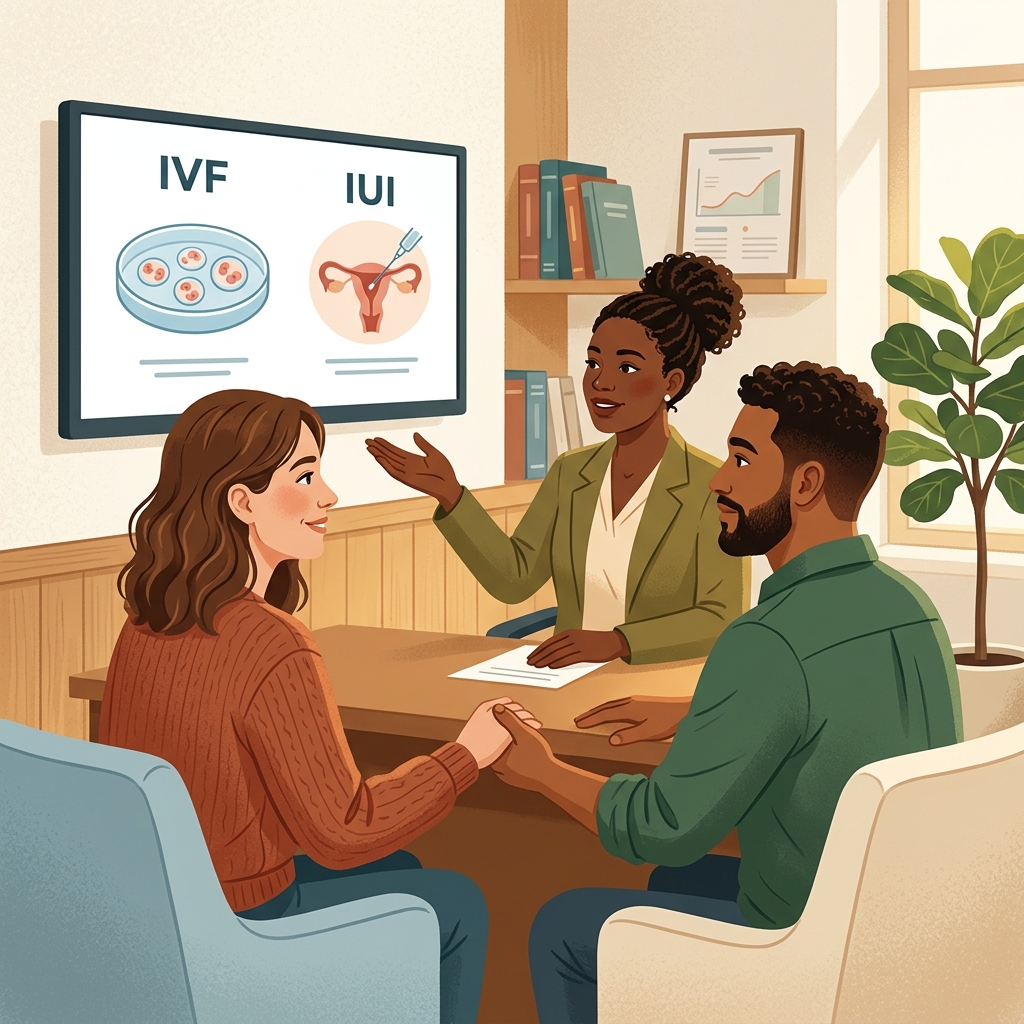
- IUI (Intrauterine Insemination): Often the first step. Sperm is washed and placed directly into the uterus during ovulation. Effective for mild sperm issues or unexplained infertility.
- IVF (In Vitro Fertilization): The most effective treatment. Eggs are retrieved, fertilized in a lab, and the best embryo is transferred. Offers the ability to genetically test embryos (PGT-A) for chromosomal normality.
Use our free, localized tool to understand treatment pricing in your city:
👉 Launch the IVF Cost Estimator
11. Frequently Asked Questions
Is 32 too old to have a baby naturally?
No, 32 is absolutely not too old. At 32, a healthy woman still has roughly a 20% chance of conceiving in any given menstrual cycle, and the vast majority of women at this age will conceive naturally within a year of trying.
How long does it take to get pregnant at 33?
For couples aged 33, about 75% will conceive within 6 months of active trying, and about 85-90% will conceive within 12 months. If you haven't conceived after a year of unprotected intercourse, it's recommended to consult a fertility specialist.
Can you get pregnant naturally at 35?
Yes. While fertility begins a more significant decline at age 35, natural conception is still very common. However, due to this decline, specialists recommend seeking a fertility evaluation after just 6 months of trying if you are 35 or older.
What is a good AMH level for a 33-year-old?
A typical Anti-Müllerian Hormone (AMH) level for a 33-year-old varies, but a normal range is generally considered to be between 1.5 ng/mL and 4.0 ng/mL. Levels below 1.0 ng/mL suggest Diminished Ovarian Reserve (DOR). AMH measures egg quantity, not quality.
Does CoQ10 really improve egg quality?
Clinical studies suggest that Coenzyme Q10 (CoQ10) supports mitochondrial function in eggs. As women age, CoQ10 levels naturally decline. Supplementing with 200–600mg daily for 2-3 months before trying to conceive may help improve egg quality and response to fertility treatments.
How much Folic Acid should I take in my 30s?
All women trying to conceive should take a prenatal vitamin containing at least 400 mcg of Folic Acid (or Methylfolate) daily. It is recommended to start this at least 1-3 months before actively trying to conceive to prevent neural tube defects.
Is my husband's age a factor if he is also in his 30s?
Male fertility declines more slowly than female fertility, typically starting to show noticeable changes after age 40. However, men in their 30s aren't immune to lifestyle impacts—stress, diet, smoking, and heat exposure can all reduce sperm count and quality regardless of age.
Can I freeze my eggs at 34?
Yes. Age 34 is actually considered an optimal time for egg freezing (oocyte cryopreservation) if you are not yet ready for a child but want to preserve fertility. At 34, egg quality and response to stimulation are generally still quite good.
What tests should I get before trying to conceive at 35?
A preconception checkup should include a general physical, review of immunizations, and a blood test checking your thyroid (TSH), iron levels, and Vitamin D. You may also discuss an ovarian reserve check (AMH, FSH, Estradiol) and a semen analysis for your partner.
Do ovulation predictor kits (OPKs) work for everyone?
OPKs work well for most women with regular cycles by detecting the LH surge 24-36 hours before ovulation. However, women with PCOS may have chronically high LH levels, making these kits less reliable and causing false positives.
What is the risk of having twins at 34?
The natural rate of twin pregnancies actually increases slightly as women reach their mid-30s. This is because rising FSH levels can sometimes cause the ovaries to release more than one egg in a single cycle.
How often should we have sex to get pregnant?
Having intercourse every 1 to 2 days during your "fertile window" (the 5 days leading up to ovulation and the day of ovulation itself) maximizes your chances. Having sex multiple times a day does not increase chances and may temporarily lower sperm concentration.
Does stress prevent pregnancy?
Chronic stress elevated cortisol levels, which can disrupt the hypothalamic-pituitary-gonadal axis, potentially delaying or preventing ovulation (a condition called functional hypothalamic amenorrhea). Stress management is a crucial part of fertility.
Should I stop drinking coffee while trying to conceive?
You don't have to stop completely. Most medical guidelines agree that moderate caffeine intake (under 200mg per day, which is about one 12-ounce cup of coffee) does not appear to negatively impact fertility.
What is a "geriatric pregnancy"?
"Geriatric pregnancy" is an outdated, largely abandoned medical term for a pregnancy in a woman aged 35 or older. Today, doctors use the term "advanced maternal age" (AMA). It simply means monitoring might be a bit closer due to slightly elevated risks.
Related Resources
Understanding AMH
What your ovarian reserve number really means.
Fertility Diet Plan
Complete nutrition guide for couples trying to conceive.
The IVF Timeline
Week by week view of the IVF process.
Treatment Finder Quiz
Discover which fertility path makes sense for you.